
Blog
Robotics Kits for Schools: Inspiring Creativity, Coding and Problem-Solving Skills

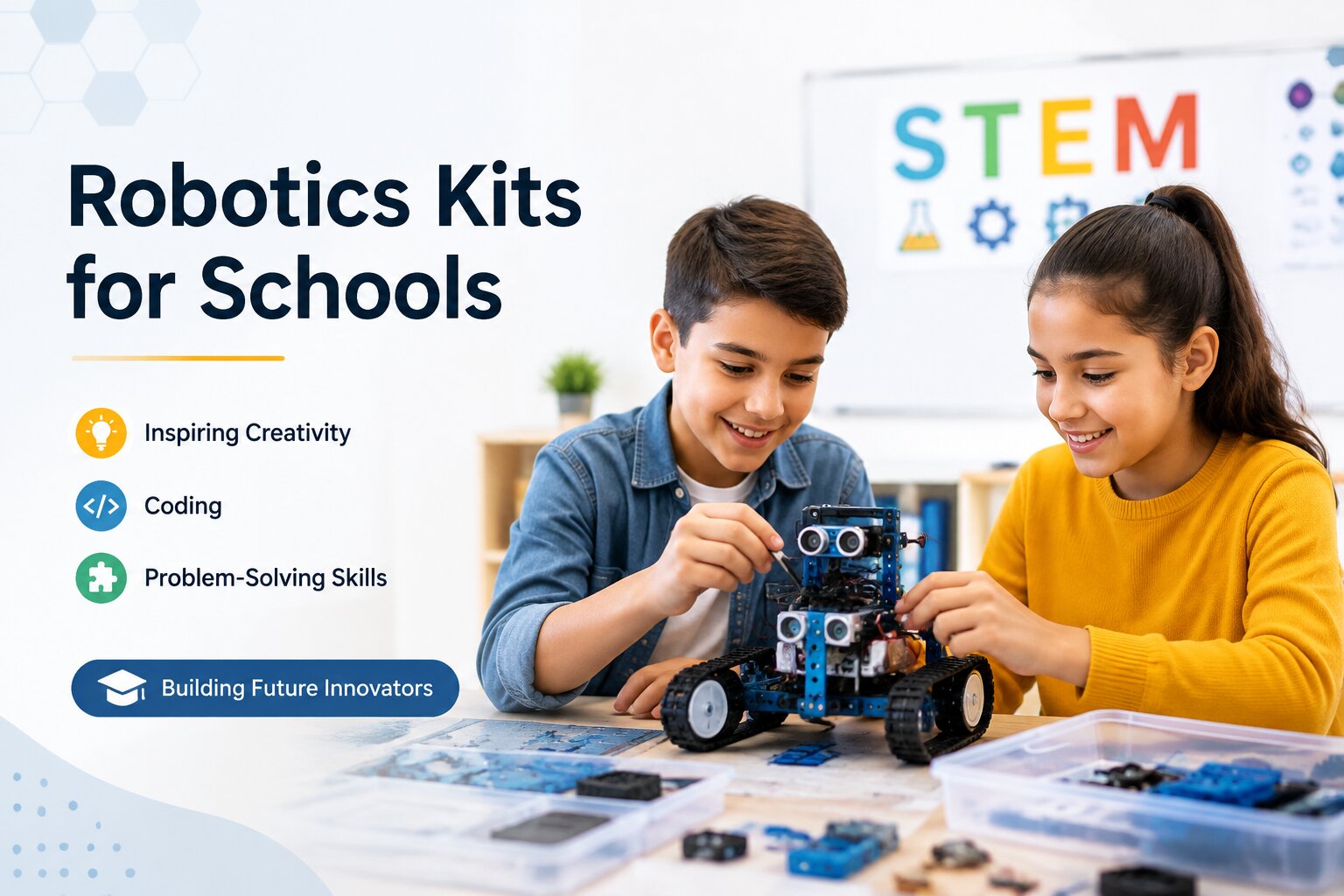
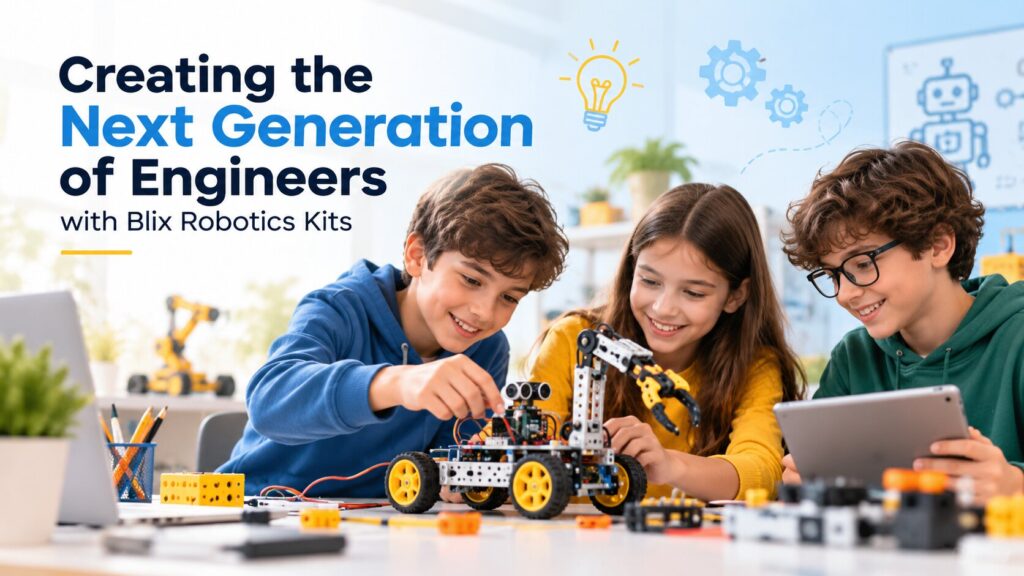
Technology is rapidly changing the way students learn, create, and solve problems. Traditional classroom learning is now being enhanced with interactive experiences that encourage curiosity, experimentation, and innovation. Robotics Kits for Schools have become an essential educational tool that helps students understand science, technology, engineering, and mathematics (STEM) concepts through hands-on learning.
By building and programming robots, students move beyond theoretical knowledge and develop practical skills in coding, logical thinking, teamwork, and problem-solving. These kits create an engaging learning environment where students can explore technology while developing the skills needed for future careers in engineering, artificial intelligence, and automation.
Why Robotics Kits Are Important for Schools
Robotics education introduces students to real-world applications of technology from an early age. Instead of simply reading about machines and programming concepts, students can design, build, and control their own robotic projects.
Classroom Robotics Kits allow teachers to introduce complex concepts in a simple and interactive way. Students learn how sensors work, how motors operate, and how software instructions control physical actions. This practical approach improves understanding and encourages students to ask questions, test ideas, and find creative solutions.
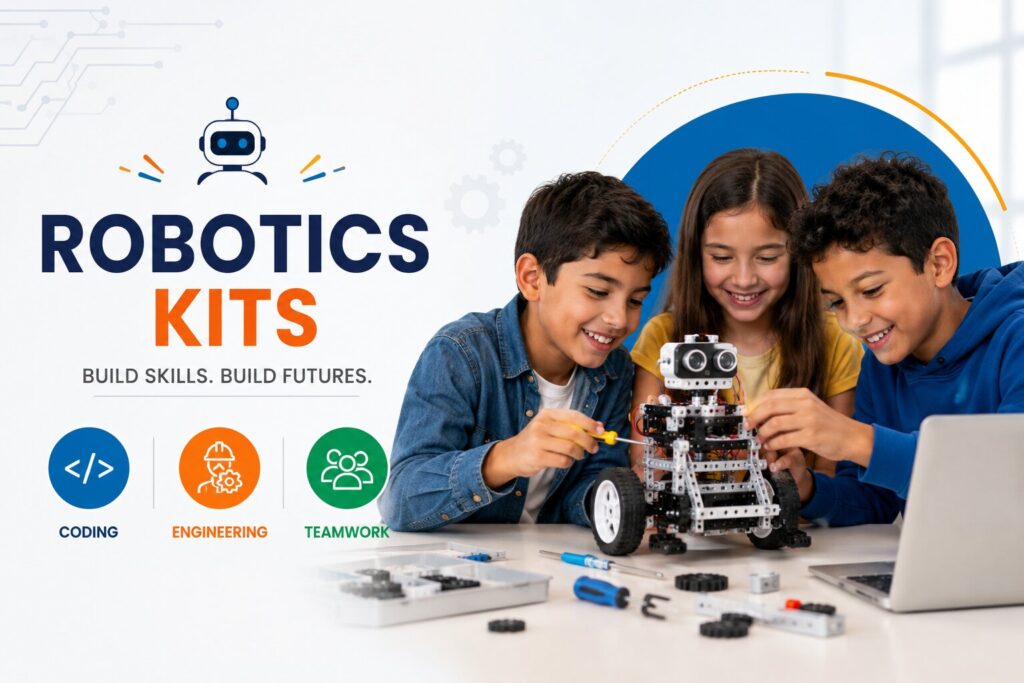
Robotics-based learning also helps improve collaboration skills. Students often work in teams to complete robotics challenges, which teaches communication, leadership, and project management abilities.
Developing Coding Skills Through Robotics Learning
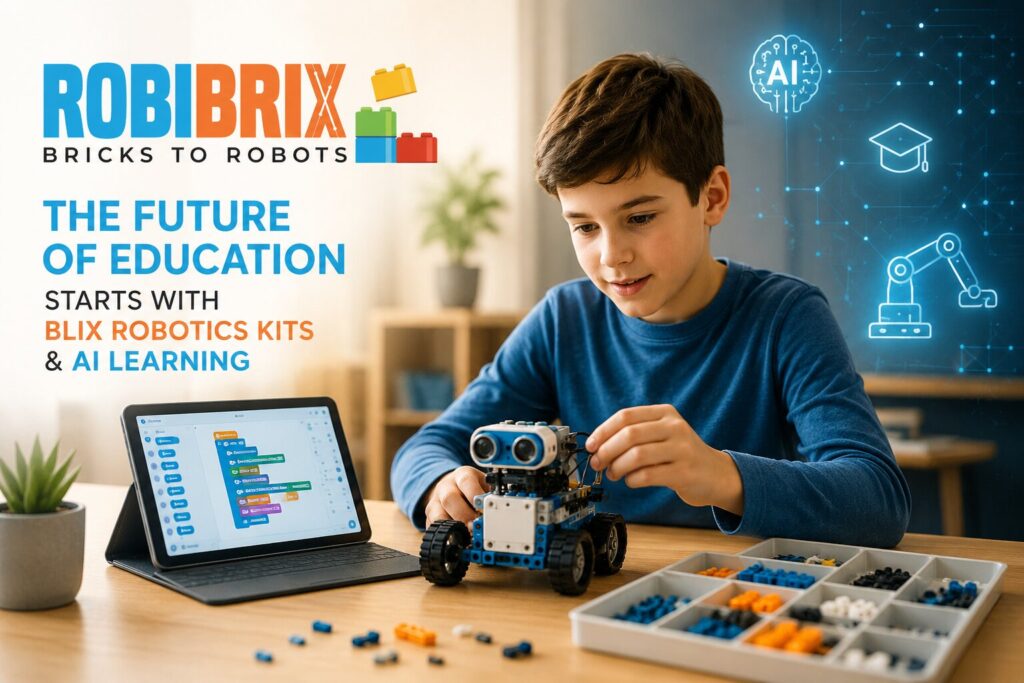
Coding is one of the most valuable skills in today’s digital world. Robotics kits provide an exciting way for students to learn programming because they can immediately see the results of their code.
Students can start with beginner-friendly visual programming languages and gradually progress to advanced coding languages. They learn important programming concepts such as algorithms, sequences, loops, conditions, and automation.
Through School STEM Kits, students gain confidence in technology and develop computational thinking skills. These skills are not only useful for robotics but also support learning in fields such as software development, data science, and artificial intelligence.
Encouraging Creativity and Innovation in the Classroom
Robotics is not just about following instructions; it is about creating new possibilities. Students can design robots for different purposes, such as automated vehicles, smart devices, rescue robots, or environmental monitoring systems.
Robotics Kits for Schools encourage students to experiment with different designs and improve their creations through trial and error. This process helps them understand that mistakes are part of learning and innovation.
Creative problem-solving activities allow students to develop imagination while applying scientific knowledge. Whether designing a robot that completes a specific task or programming an intelligent machine, students experience the excitement of turning ideas into reality.
Benefits of Using Robotics Kits in STEM Education
Integrating robotics into education provides several benefits for both students and teachers:
- Improves critical thinking and problem-solving abilities.
- Makes STEM subjects more engaging and interactive.
- Builds confidence in technology and programming.
- Encourages teamwork and communication.
- Develops engineering and design skills.
- Prepares students for future technology-driven careers.
Teachers can use robotics activities to create project-based lessons that connect classroom concepts with real-world applications. This makes learning more meaningful and enjoyable for students.
Choosing the Right Robotics Kits for Schools
When selecting robotics kits, schools should consider factors such as student age, learning objectives, programming difficulty, and classroom requirements. Beginner kits should provide simple building instructions and easy programming options, while advanced kits can offer complex challenges for older students.
A quality robotics kit should include durable components, educational resources, sensors, motors, and programming support. The best Classroom Robotics Kits are designed to grow with students, allowing them to progress from basic projects to advanced robotics challenges.
The Future of Robotics Education
As technology continues to evolve, robotics will play an even greater role in education. Artificial intelligence, automation, and smart technologies are becoming part of everyday life, making robotics knowledge increasingly valuable.
Schools that introduce robotics education today help students develop future-ready skills. By combining creativity, coding, and engineering, robotics learning prepares students to become innovators, problem-solvers, and technology leaders.
Frequently Asked Questions (FAQs)
1. What are Robotics Kits for Schools?
Robotics Kits for Schools are educational tools that allow students to build and program robots while learning STEM concepts. They include hardware components, sensors, motors, and software designed for classroom learning.
2. How do Classroom Robotics Kits help students learn coding?
Classroom Robotics Kits make coding practical and interactive. Students write programs and observe how their instructions control robot movements, helping them understand programming concepts more effectively.
3. Are robotics kits suitable for beginners?
Yes, robotics kits are available for different age groups and skill levels. Beginner-friendly kits use simple programming methods, while advanced kits provide more challenging robotics projects.
4. Why are School STEM Kits useful for education?
School STEM Kits combine science, technology, engineering, and mathematics concepts into hands-on activities. They encourage creativity, teamwork, and problem-solving skills among students.
5. Can robotics education prepare students for future careers?
Yes, robotics education helps students develop skills related to engineering, programming, automation, and artificial intelligence, preparing them for future technology-focused careers.